How to buy property in Spain: the full step-by-step process
Title
Buying property in Spain is an exciting step – whether it’s a vacation home, investment property, or your future residence under the Mediterranean sun. But before signing anything, it’s essential to understand the Spanish property buying process.
The process is different from many other European countries, especially for foreign buyers. Knowing the legal steps, documents, and timelines helps you avoid costly mistakes and ensures a smooth purchase.
This comprehensive guide from Bostello.com explains how to buy property in Spain step by step – from finding your dream home to signing the title deed before the notary.
Why understanding the buying process matters
Spain has one of the most transparent property markets in Europe, but the process can still feel complex due to language, legal, and administrative requirements.
Understanding how each stage works ensures:
-
Legal ownership is properly registered.
-
All taxes and fees are paid correctly.
-
You avoid scams and unclear contracts.
-
Your rights as a foreign buyer are protected.
If you’re at the beginning of your journey, read our overview of buying property in Spain to understand how mortgages, taxes, and legal requirements fit into the process.
Step 1: Research and select your property
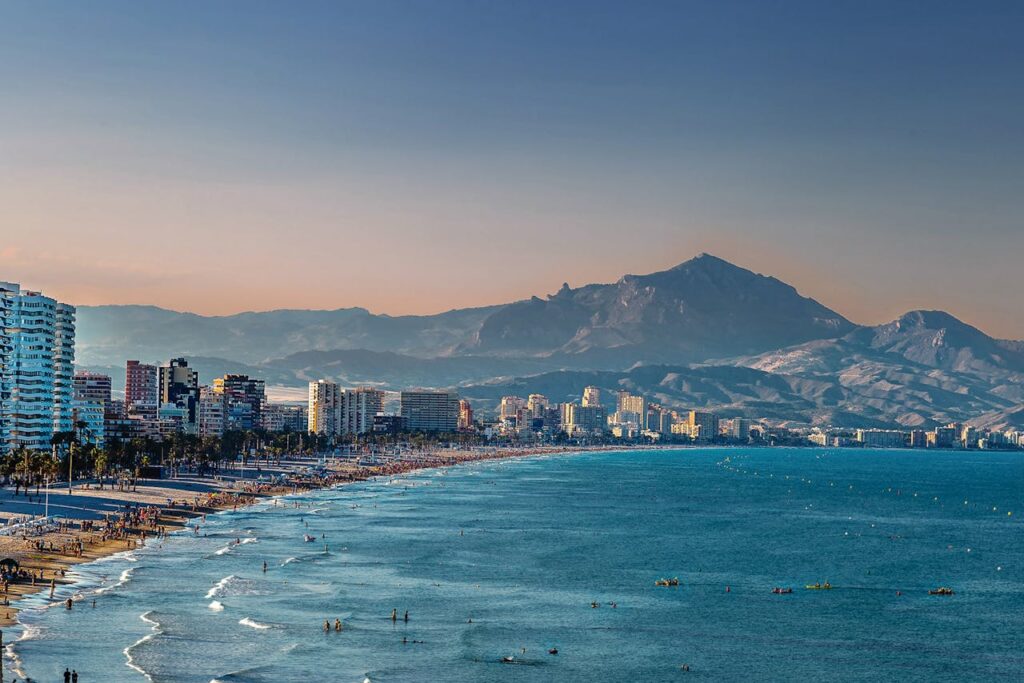
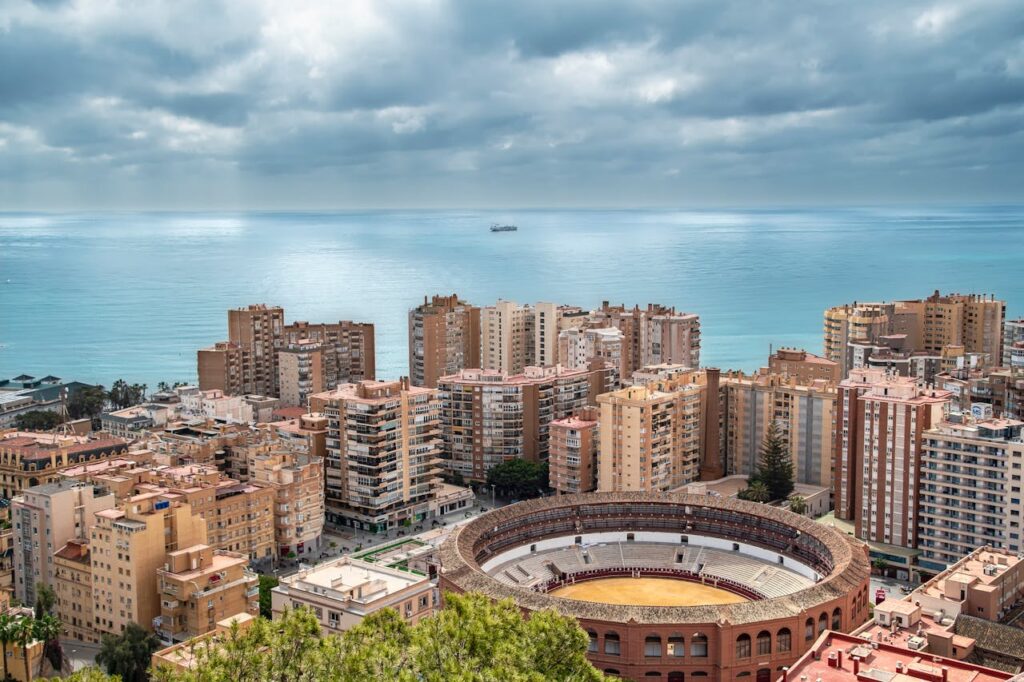
Start by deciding where and what type of property you want to buy. Spain’s market offers everything from beachfront apartments on the Costa Blanca to charming townhouses in Andalusia or modern villas near Madrid.
Key considerations
-
Purpose: holiday home, relocation, or investment?
-
Location: coastal resort, city, or rural area?
-
Budget: including 10-15% extra for taxes and fees.
-
Financing: check if you’ll use cash or a mortgage.
When you’ve defined your needs, start browsing listings from verified agencies or portals like Bostello.com, which lists vetted properties directly from licensed real estate professionals across Spain.
Browse homes for sale in Spain
Step 2: Reservation and legal checks
Once you’ve found a property you like, the next step is to reserve it while your lawyer conducts due diligence.
The reservation contract (Contrato de reserva)
-
A small deposit (usually €3,000-€10,000) is paid to take the property off the market for 14–30 days.
-
The seller commits not to sell to anyone else during that period.
-
Your lawyer verifies all documents and ensures there are no debts or legal disputes tied to the property.
Due diligence includes:
-
Reviewing the nota simple (property extract from the Land Registry).
-
Checking for unpaid community fees, utility bills, or mortgages.
-
Confirming the seller’s identity and ownership rights.
Learn more about legal requirements for property buyers before paying any deposit.
Step 3: Sign the private purchase contract
If everything checks out, you move to the private purchase contract (Contrato de Compraventa Privado).
This document formalizes the terms between buyer and seller, including price, timeline, and penalties.
Key points to know
-
Typically, a 10% deposit is paid upon signing.
-
If the buyer withdraws, the deposit is usually forfeited.
-
If the seller withdraws, they must return double the deposit.
The contract should be reviewed by your lawyer to ensure:
-
The price, payment structure, and timeline are clearly stated.
-
Furniture, fixtures, or parking spaces included are detailed.
-
The date for completion before the notary is agreed.
💡 Tip: Never sign a private contract without your lawyer reviewing it, verbal promises hold no legal weight.
Read more about property taxes and fees that apply after signing.
Step 4: Obtain NIE and open a bank account
All foreign buyers must have a Spanish NIE number (Número de Identificación de Extranjero). It’s required for all legal and financial transactions in Spain — including buying property, paying taxes, and setting up utilities.
How to get an NIE
You can apply:
-
At a Spanish consulate in your home country, or
-
At a local police station in Spain (through appointment).
It usually takes 1–2 weeks to obtain.
You’ll also need to open a Spanish bank account, which will be used for the purchase transaction, mortgage payments, and ongoing expenses such as utilities and community fees.
For more detail, see our legal requirements guide
Step 5: Final signing at the notary
The notary (Notario) plays a central role in confirming the legality of the property transfer.
On signing day:
-
Both buyer and seller (or their representatives) meet at the notary’s office.
-
The title deed (Escritura Pública) is read aloud and signed.
-
The buyer pays the remaining purchase balance.
-
The keys are officially handed over – the property is now yours!
The notary then submits the deed for registration at the Land Registry (Registro de la Propiedad).
Important documents
-
Passport and NIE.
-
Bank certificate or banker’s draft for payment.
-
Signed Escritura Pública.
-
Proof of taxes paid.
Talk to a local agent to coordinate the notary and closing process smoothly.
Step 6: Post-purchase taxes and registration
After signing, your lawyer will ensure all taxes and fees are settled, and the property is registered in your name.
Taxes and fees when buying a property in Spain
Indicative percentages of purchase price. Regional rates may vary.
Registration usually takes 2-6 weeks, after which you’ll receive a certified copy of the registered title (nota simple actualizada).
See all applicable property taxes in Spain for a detailed breakdown.
Spain - Complete guide
We have gathered all information you need to know about Spain. Everything in one place, your ultimate guide for Spain.
The Spain guideLiving in Spain
Cost of living, healthcare, education, work and retirement insights to plan your move with confidence.
Living in Spain guideTourism in Spain
Beaches, culture and must-see attractions. Discover the lifestyle that makes Spain a year-round favorite.
Discover SpainRegions in Spain
From Alicante and Costa del Sol to Valencia and the islands. Compare areas and find your perfect match.
Explore regionsBuying for residency or investment
If your investment is €500,000 or more (unfinanced), you may qualify for Spain’s Golden Visa, which grants you and your family residency rights.
Benefits include:
-
Live and work in Spain.
-
Schengen zone travel without extra visas.
-
Family inclusion (spouse, children, parents).
-
Renewable residency with minimal stay requirements.
Read our full Golden Visa guide to learn about eligibility and documents needed.
Timeline and cost overview
Indicative durations (weeks) and cost impact (% of purchase price). Edit assumptions in the script as needed.
Quick checklist
-
Hire an independent property lawyer.
-
Reserve the property with a written contract.
-
Verify all documents before paying the 10% deposit.
-
Obtain an NIE and Spanish bank account.
-
Complete at the notary and register ownership.
-
Pay all post-purchase taxes and fees.
📞 Talk to a property expert
🏡 Browse homes for sale in Spain
📘 Learn about Spanish mortgages and taxes
FAQ – Buying process in Spain
What are the steps to buy a house in Spain as a foreigner?
1. Research properties
2. Reserve
3. Legal checks
4. Sign private contract
5. Get NIE
6. Sign before notary
7. Register ownership
How long does it take to buy a property in Spain?
Typically 6–10 weeks from reservation to completion.
Do I need a lawyer?
Yes, always hire an independent lawyer to protect your interests.
What documents are required?
Passport, NIE, proof of funds, purchase contract, and proof of tax payments.
What deposit is standard?
A 10% deposit is typical upon signing the private contract.
Can I get a mortgage as a foreigner?
Yes. Learn more in our Spanish mortgage guide
Quick links & tools
Table of contents
Market snapshot
€2,2k–€3,5k
300+ days
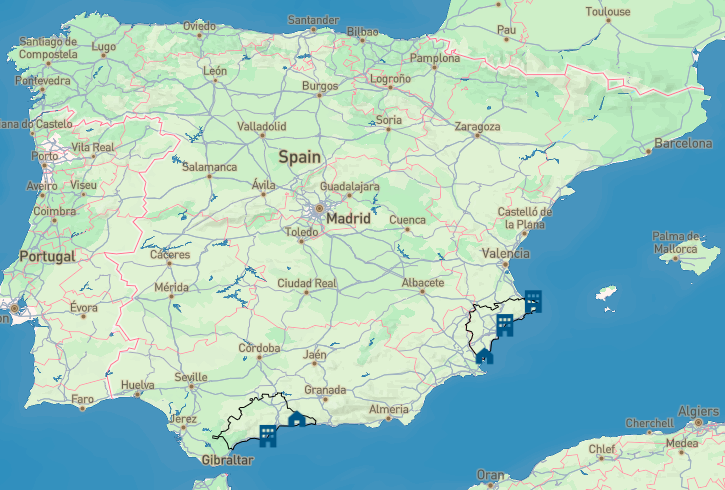
Alicante-Elche, Malaga
Tools
Compare regions
Articles about Spain
Flights to Malaga
Málaga, the sun-drenched capital of Costa del Sol, is a favorite among travelers, digital nomads, and property buyers alike. With its rich culture, beautiful beaches, and vibrant lifestyle, it's no...
Flights to Alicante
Alicante, located on Spain’s sun-drenched Costa Blanca, is a dream destination for beach lovers, remote workers, and holidaymakers alike. With its mild climate, Mediterranean culture, and affordable...
Understanding Spain’s Regions – What They Mean for Property Buyers and Expats
Spain is a country rich in cultural diversity and layered with centuries of fascinating history. Its internal organization is based on administrative regions, which shape how local and regional...